Month: October 2008

Total 16 Posts

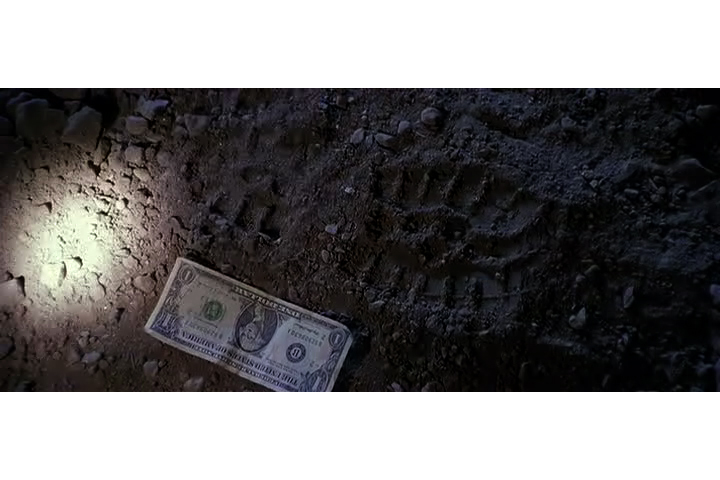
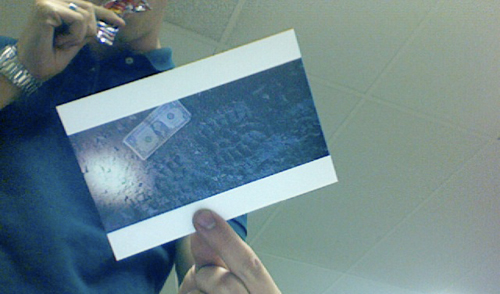
What Can You Do With This: The Bone Collector

Download high quality here. See the pilot for instructions.

The math here is fairly self-evident (I think) but I’m really curious how you’d deploy this in the classroom. Be specific.

BTW: Mr. Follett โ€“ concise and correct:

(1) Play clip.
(2) Pass out the photograph, Iโ€™d get this by doing a screen grab.
(3) Make other materials available: dollar bills, rulers
(4) Make this info available.
(5) Ask them the shoe size.
(6) Discuss, reflect, justify.

This is, more or less, exactly how it went in Algebra for us this week. Here is the relevant frame grab formatted as a 4×6 frame as well as the follow-up scene from the movie itself.

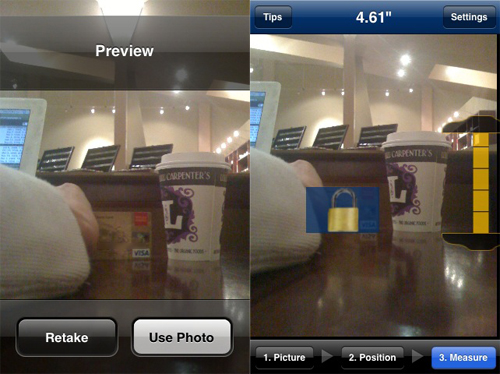
BTW: The application RulerPhone ties into this nicely. More here.

BTW: A much better hook from an audience member at my UC Berkeley presentation than the one I originally concocted: “Which of your classmates could be the killer?”

Out Of Control

You people. That’s what you are.

Maybe this series has stronger legs than I originally though, particularly with ELA guys like Tom, Christian, and Todd dropping by to push what I figured to be a math-only prompt through their own content-area strainer.

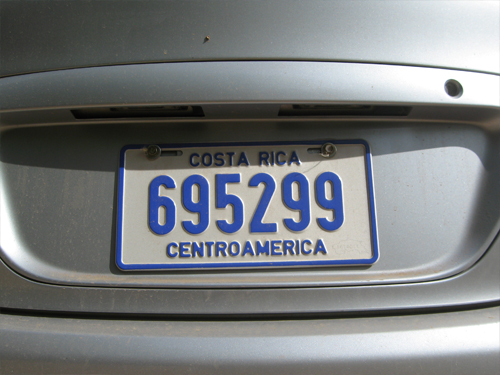
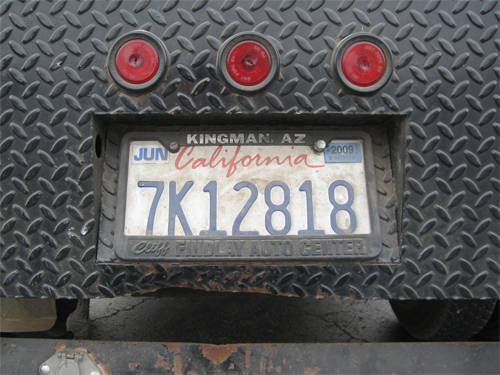
There are too many awesome bits to summarize, frankly, but from just two pictures you people posted lesson plans for combinatorics, population growth models, graphic design, racial profiling, optical character recognition, regression, the Freedom of Information Act, and that’s just what’s fit to print. Some of the other suggestions were downright hope-your-administrator-doesn’t-stop-by-that-day crazy.

So we’ll try this again. Two things I’m kicking around in the interim:

What Kind Of Model Is This?

Mike:

This conversation is on the verge of a Lesson Study. With some focused organization and implementation, this could turn into a model for the future of teaching and learning about student learning.

Maybe.

How Do Textbooks Manage To Blow This?

Briefly:

  1. Using clip-art (if that) where photography is the prescription.
  2. Establishing a too-narrow framework for how students (and teachers) experience media. The hypothetical is this: if I had put those photos up with an explicit question (ie. “how long until Costa Rica runs out of license plate numbers?”) would any of that other zany fun have occurred to you? Would it have occurred to your students? Far better to project a full-color, unmodified, uninflected image on the board with a) a clear idea where you want it to go and b) the courage and humility to let it go somewhere elseI swear I don’t even sound like myself sometimes..

Textbooks suck at this. They’re perfect for below-average teachers with limited imagination and limited love for their own content areas, the sort that need a pick axe, a shovel, and a map to the goldmine handed to them before it’ll occur to them to start digging.

It’s kind of an indictment that this has been such a profitable business model for so long.
What Can You Do With This: Pilot

My take on digital media in the classroom, the next-gen lecturer, went ultra-viral last summer, tripling up on Did You Know?, and making Sir Ken Robinson wish he never paid attention to his YouTube stats, etc.

Responding to demand, I’d like to serialize the video into an ongoing series called What Can You Do With This?, the structure of which will go like this:

  1. I will post a digital photo or some digital video. I will do this without elaboration.
  2. We will take to the comments and angle ourselves at the best possible use of that media in a classroom setting, which use, I predict, will be superior to the one I originally imagined.

At the very least, we will find in these (high-res, DRM-free) media a better way to introduce material than whatever “real world” contrivance your textbook recommends. At best, we will train our eyes to find our content areas in the world around us, becoming better teachers in the process.

Outdoing Piaget Himself

Dina Strasser, my blogroll’s token hippie, intent on outdoing Piaget himself, doesn’t merely let her students create rules for themselves, she asks them to create rules for her:

Among them were the hysterical (“Coffee breath. Could you people please chew some gum?”), the horrifying (“I hate it when teachers have long conversations on their cell phones in the middle of class”), the obvious (“I hate it when the teacher punishes the whole class for someone one person has done”), and this near unanimous statement: We hate it when the teacher deliberately embarrasses us in front of our peers.

Dina’s narrative of success and failure is well worth your time.

[comments closed]