tl;dr – This is about a new digital lesson I made with Christopher Danielson and our friends at Desmos. It’s called Waterline and its best feature is that it shares data from student to student rather than just from student to teacher. I’ll show you what I mean while simultaneously badgering publishers of digital textbooks. (As I do.)
Think about the stretches of time when your smartphone or tablet is in airplane mode.
Without any connection to the Internet, you can read articles you’ve saved but you can’t visit any links inside those articles. You can’t text your friends. You can’t share photos of cats wearing mittens or tweet your funny thoughts to anybody.
In airplane mode, your phone is worth less. You paid for the wireless antenna in your tablet. Perhaps you’re paying for an extra data plan. Airplane mode shuts both of them down and dials the return on those investments down to zero.
Airplane mode sucks.
Most digital textbooks are in airplane mode:
- Textbooks authored in Apple’s iBooks Author don’t send data from the student’s iPad anywhere else. Not to her teacher and not to other students.
- HMH Fuse includes some basic student response functionality, sending data from the student to the teacher, but not between students.
- In the Los Angeles Unified iPad rollout, administrators were surprised to find that “300 students at three high schools almost immediately removed security filters so they could freely browse the Internet.” Well of course they did. Airplane mode sucks.
The prize I’m chasing is curriculum where students share with other students, where I see your thoughts and you see mine and we both become smarter and life becomes more interesting because of that interaction. That’s how the rest of the Internet works because the Internet is out of airplane mode.
Here’s one example. In Waterline we ask students first to draw the height of the water in a glass against time. We echo their graph back to them in the same way we did in Function Carnival.
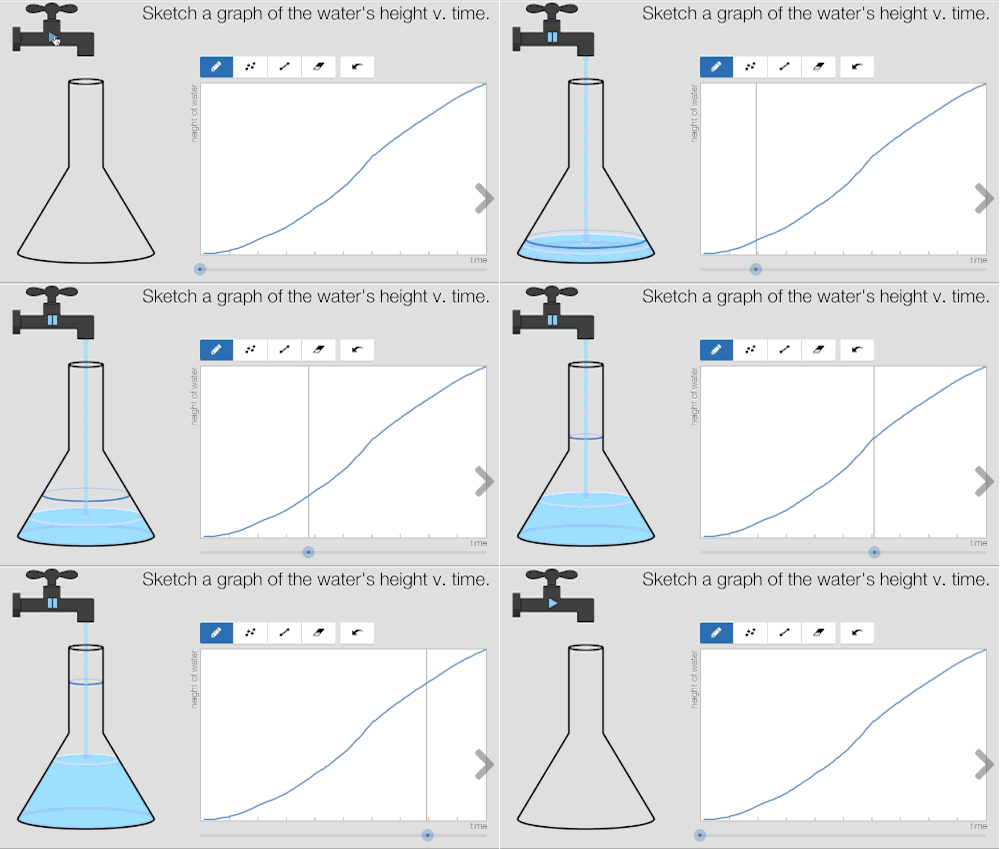
But then we ask the students to create their own glass.
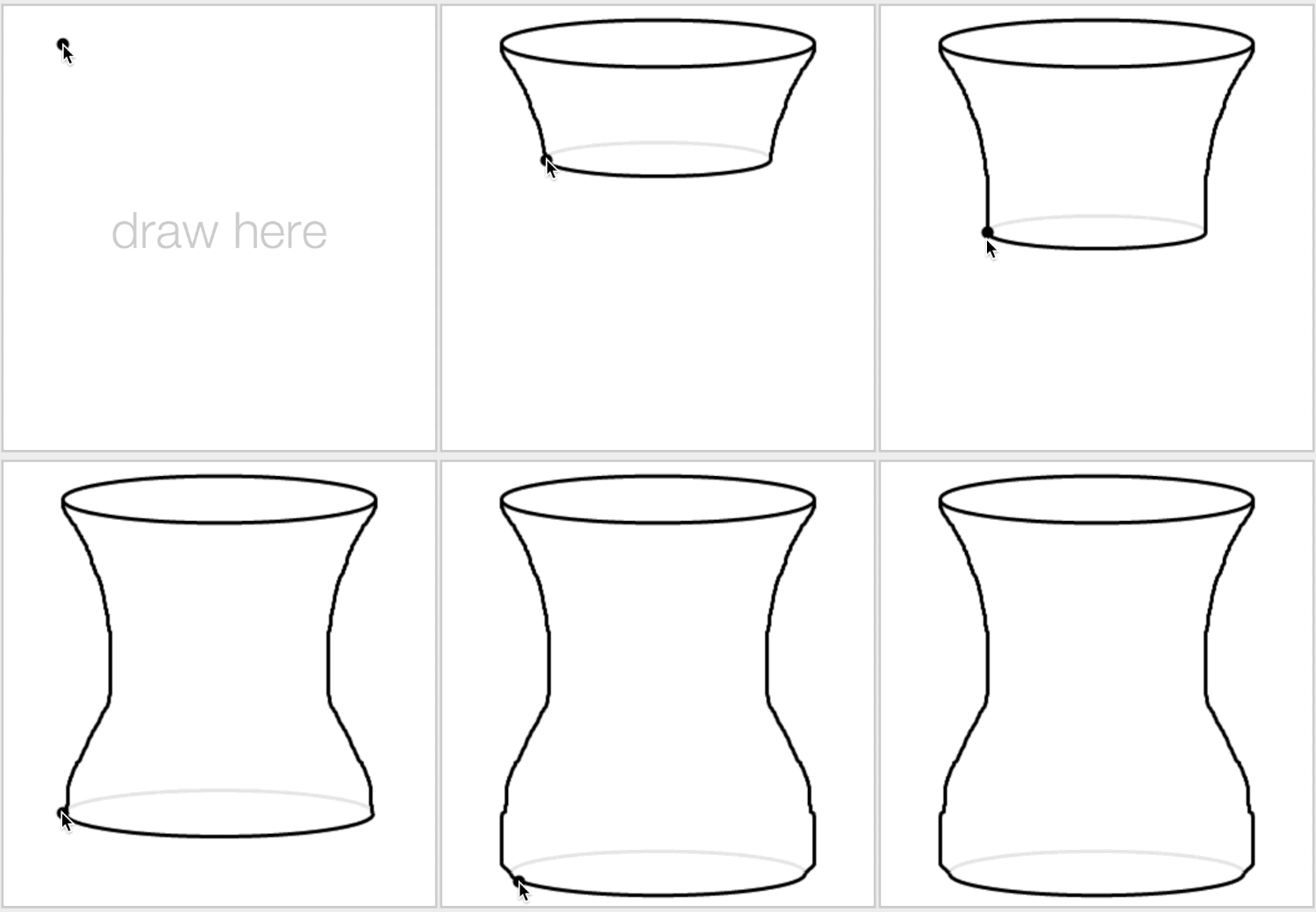
Once they successfully draw the graph of their own glass, they get to put it in the class cupboard.
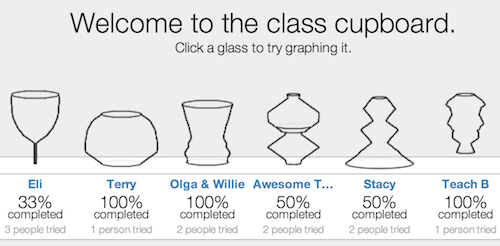
Now they see their glass in a cupboard right alongside glasses invented by their friends. They can click on those new glasses and graph them. The teacher sees all of this from her dashboard. Everyone can see which glasses are harder to graph and which are easier, setting up a useful conversation later about why.
We piloted this lesson in a local school and asked them what their favorite part of the lesson was. This creating and sharing feature was the consensus winner.
A selection:
- Making my own because it was my own.
- Trying to create your own glass because you can make it into any size you want.
- Designing my own glass because I was able to experiment and see how different shapes of the glass affects how fast the glass filled up.
- My favorite part of the activity was making my own glass and making my other peers and try and estimate my glass.
- My favorite part of the activity was solving other people’s glasses because some were weird shapes and I wanted to challenge myself.
Jere Confrey claimed in her NCSM session that “students are our most underutilized resource in schools.” I’d like to know exactly what she meant by that very tweetable quotation, but I think I see it in the student who said, “I also liked trying out other’s glasses because we could see other’s glasses and see how other people solved the problem.”
I know we aren’t suffering from too many interactions like that in our digital curricula. They’re hard to create and they’re hard to find. I also know we won’t get more of them until teachers and administrators like you ask publishers more often to take their textbooks out of airplane mode.