The Desmos quarter just ended and this was a huge one for the team of teachers I support.
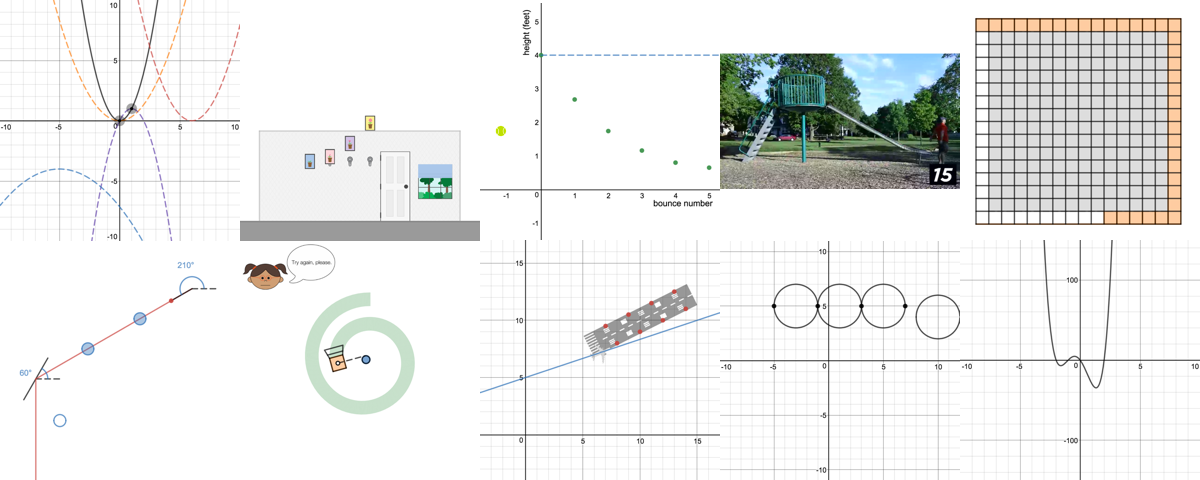
First, we made substantial upgrades to our entire activity pool. Second, we released ten new activities in the same amount of time it took us to release one activity two years ago. This is all due to major improvements to our technology and our pedagogy.
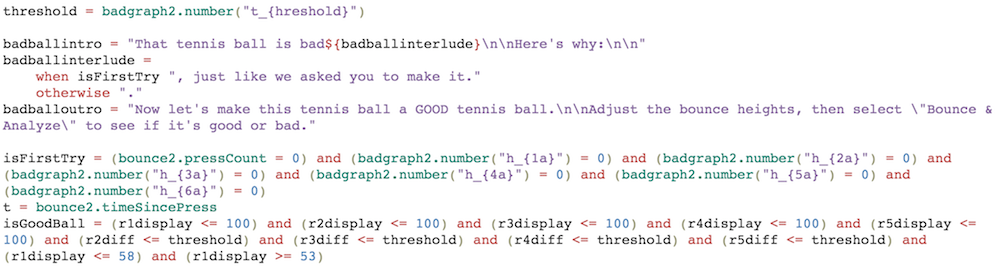
Technologically, our engineers created a powerful scripting language that hums beneath our activities, enabling us to set up more meaningful interactions between teachers, students, and mathematics.
Pedagogically, my teaching team has spent the last year refining our digital mathematics pedagogy through daily conversations, lesson pitches, lesson critiques, summary blog posts, occasional lunch chats with guests like the Khan Academy research team, and frequent consultation with our Desmos Fellows.
The result: we cut an activity pool that once comprised 300 pretty good activities down to 127 great ones, and we gave each one of those 127 a serious upgrade, making sure they took advantage of our best technology and pedagogy. Then we added ten more.
I don’t think I’ve learned as much or worked as hard in a three-month span since grad school, and I owe a debt of gratitude to my team — Shelley Carranza, Christopher Danielson, and Michael Fenton — for committing the same energy. Also, it goes without saying that none of our activity ideas would have been possible without support from our engineers and designers.
In future posts, I’ll excerpt those lessons to illustrate our digital pedagogy. For today, I’ll just introduce the activities themselves.
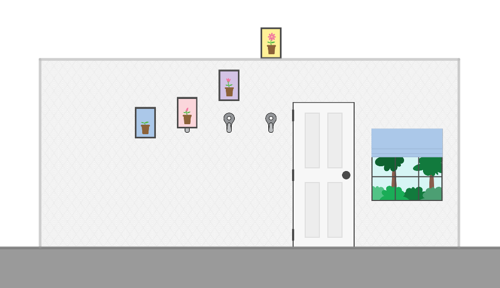
Hang loads of pictures precisely and quickly using arithmetic sequences.
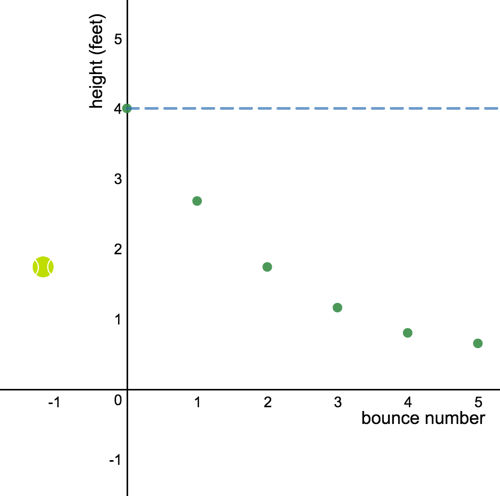
Your shipment of tennis balls has been contaminated. Use exponential functions to find the bad ones.
Graphing Stories comes to Desmos just in time for its tenth birthday.
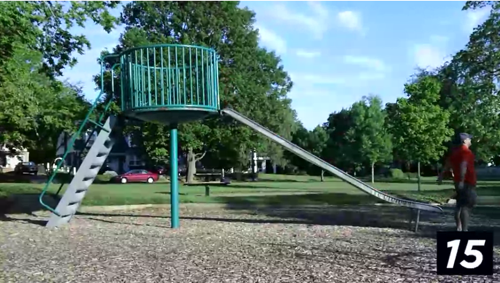
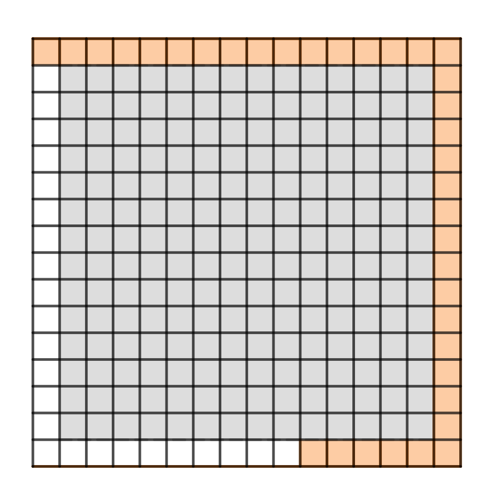
One of the oldest and best problems for exploring algebraic equivalence. We wouldn’t have touched it if we didn’t think we had something to add.
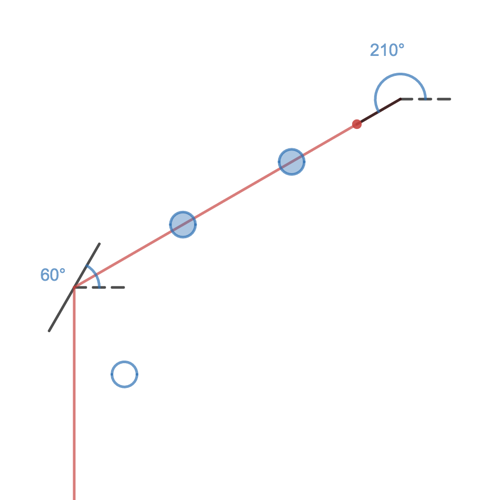
Use your intuition for angle measure to bounce lasers off mirrors and through targets.
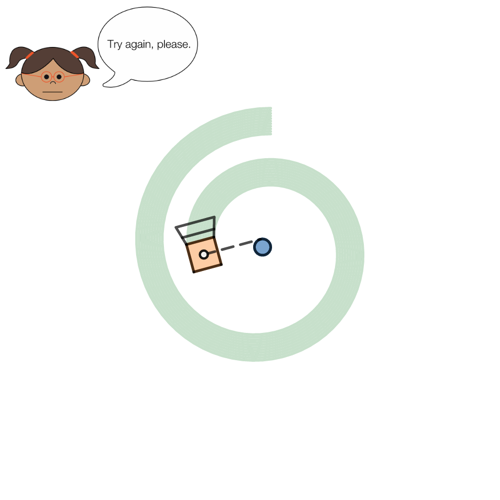
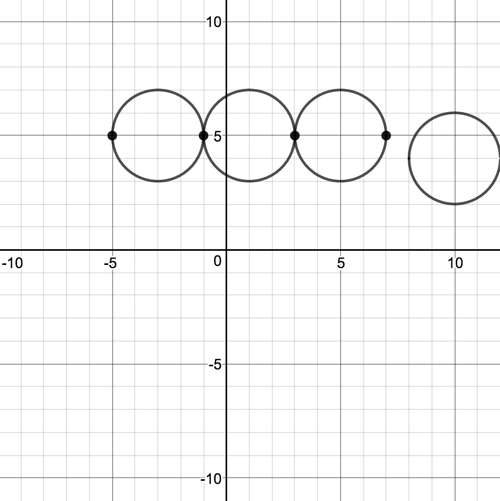
Use Algebra and the properties of circles to help you mow ten lawns automatically and quickly.
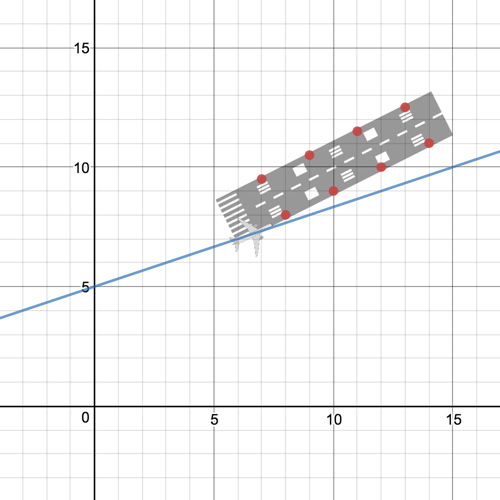
Use linear equations to land airplanes safely and precisely.
Practice circle equations by completing artistic patterns.
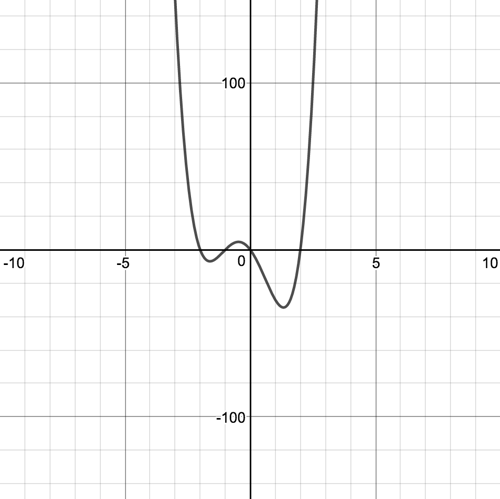
Develop your understanding of the behavior of polynomial graphs by creating them piece by piece, factor by factor.
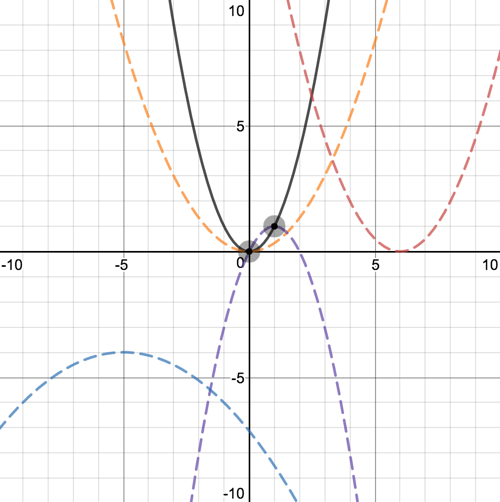
This is my favorite introduction to the concept of a transformation. “Actually, there’s really only one parabola in the world — we just move it around to make new ones.”
We are still testing these activities. They are complete, but not complete complete, if you know what I mean. You won’t find all of them in our search index yet. We welcome your feedback.