This Week’s Installment
Poll
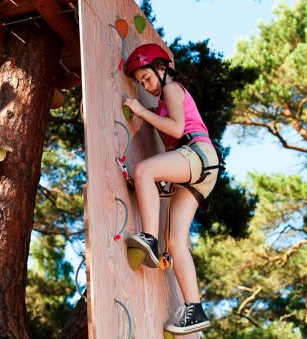
What mathematical skill is the textbook trying to teach with this image?
[poll id=”8″]
(If you’re reading via email or RSS, you’ll need to click through to vote. Also, you’ll need to check that link tomorrow for the answer.)
Current Scoreboard
Team Me: 4
Team Commenters: 2
Pseudocontext Submissions
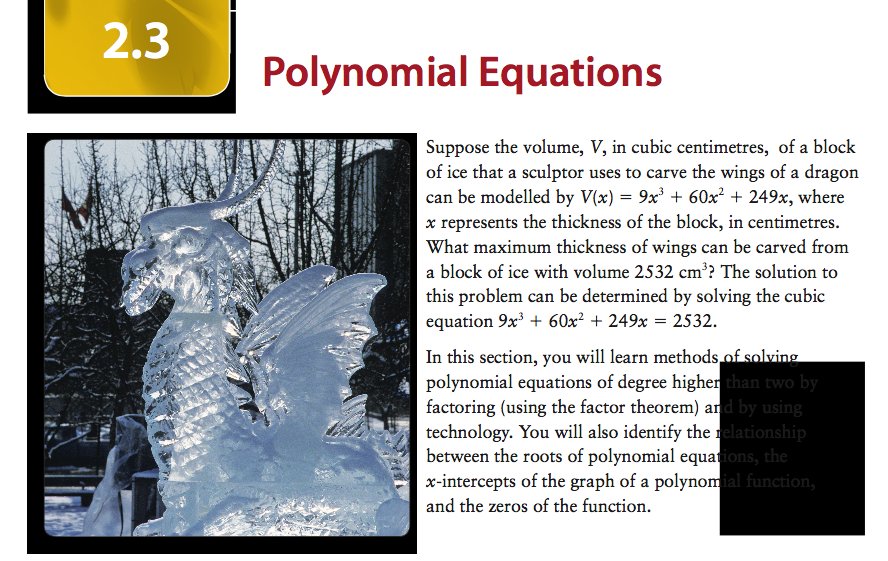
Jennifer Pazirandeh:

Jon Orr:
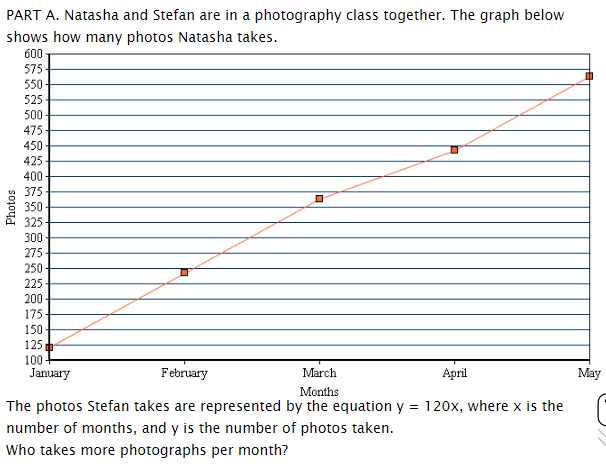
Michelle Pavlovsky:
Rules
Every Saturday, I post an image from a math textbook. It’s an image that implicitly or explicitly claims that “this is how we use math in the world!”
I post the image without its mathematical connection and offer three possibilities for that connection. One of them is the textbook’s. Two of them are decoys. You guess which connection is real.
After 24 hours, I update the post with the answer. If a plurality of the commenters picks the textbook’s connection, one point goes to Team Commenters. If a plurality picks one of my decoys, one point goes to Team Me. If you submit a mathematical question in the comments about the image that isn’t pseudocontext, collect a personal point.
(See the rationale for this exercise.)
I lose again. (But aren’t we all winners on Pseudocontext Saturdays? No? Just you. Okay.)
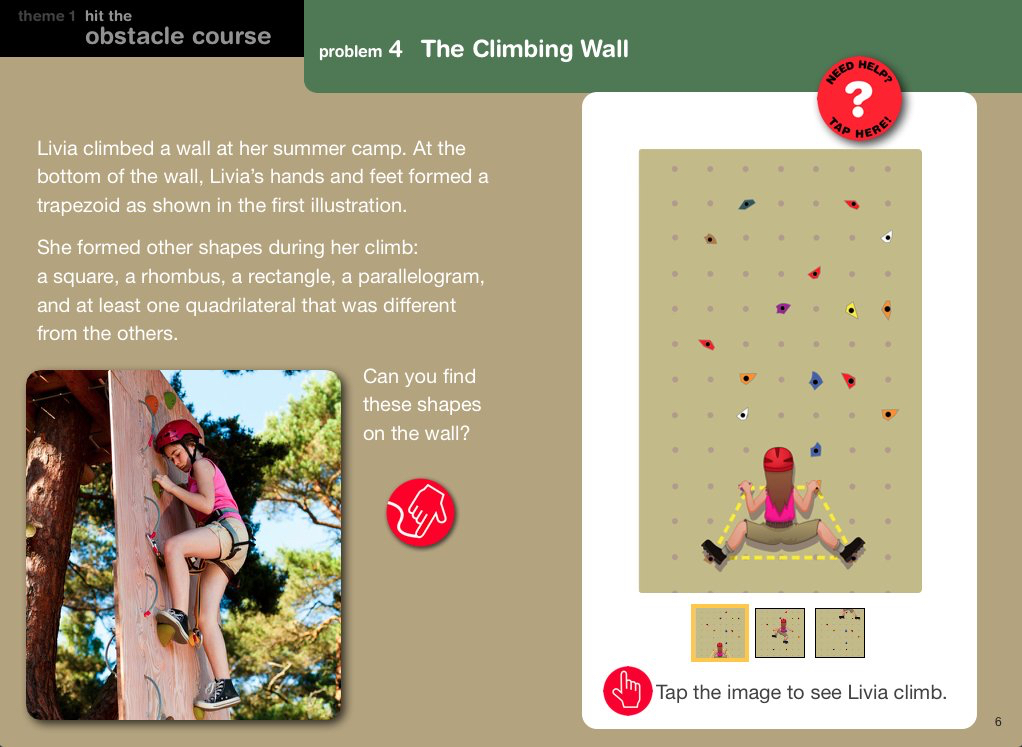
The judges rule that this violates the first rule of pseudocontext:
Given a context, the assigned question isn’t a question most human beings would ask about it.
I think we can neutralize this pseudocontext by simply deleting the context. Delete the rock wall and we delete the lie that rock climbers are concerned with quadrilaterals while simultaneously preserving a task with a lot of admirable qualities.

Then ask:
Which quadrilaterals can you locate in this grid? Can you find a trapezoid? How do you know it’s a trapezoid? Show a neighbor.
For whatever it’s worth, if there were some way to help Livia climb the wall by communicating with her through quadrilaterals, I’d re-evaluate this entire post.
[via John Golden]