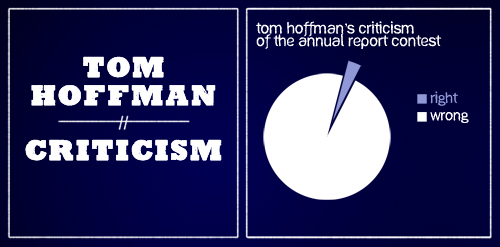
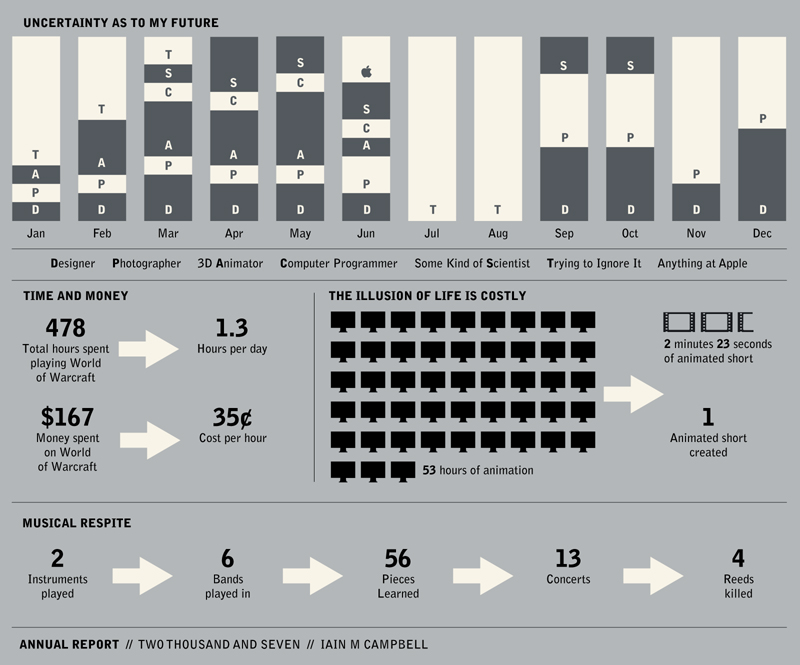
We’re waiting for one more judge to weigh in, which is cool, ’cause he’s had his hands tied up with his own annual report until recently. After that we’ll summarize a few things and close this one up until next year.
Until that announcement, here’s some miscellany I wanted to put out there:
The Faculty Room
Just for the dy/dan completists. I’m a contributor over at The Faculty Room, a blog run by Grant Wiggins, who I guess is kind of a big deal. It’s like a LeaderTalk for, uh, well, um, well just what the hell demographic are we over there?
I’m gonna keep it up in spite of the motley company simply because Meg Fitzpatrick’s writing prompts bring the heat every time. This week’s was especially solid and kinda got me going on two familiar fronts:
Stephen King once said of writing, “I don’t believe writers can be made… the equipment comes with the original package.” Is this true of teachers?
You can find my response here:
If any deception was ever perpetrated upon the teaching community – particularly upon its new and preservice members – it’s the lie that teaching is an art, when, in fact, teaching is equally, if not moreso, a profession deeply rooted in the scientific method of try, fail, adjust, and try again.
The 36 Exposures Contest
Great contest prompt. Great ethos behind the prompt:
In the analog era, when we had to pay to see what we shot, we were more careful when we took photographs. This forced a discipline that is hard to imagine today. In the words of Stephen Shore, “[Today] there seems to be a greater freedom and lack of restraint … as one considers one’s pictures less, one produces fewer truly considered pictures.”
So File magazine accepted 100-word story submissions. They sent one 36-exposure film canisterDamn, uh, lessee … see … back before you had digital storage and imaging chips and what-not, pictures came on … uh … y’know what, never mind. to the authors of the five most promising submissions, who will then tell their stories in exactly thirty-six shots, sending back their canisters sight unseen.
The contest ends January 31. I imagine you’ll find a link here once the winners are announced.
Best Media Artifact Of My Year
This being my first full year with a reader, I know I’ve consumed more media than in any year previous. I wish, then, that I had done a more dutiful job cataloging the good and the great but since I haven’t, I’ll dispense with a comprehensive year-end listThe drive-by edition would include: No Country For Old Men for movie (though there’s at least one contender still outstanding); The Wire for TV show; Umbrella for single; In Rainbows for album; Entertainment Weekly for book.. However, I do want to highlight the single best media artifact I consumed all year.
It’s an MIT production from 2006 (linked up in 2007 by David Simon) called “TV’s Great Writer,” a moderated Q&A with David Milch, who wrote for Hill Street Blues, NYPD Blue, Deadwood, and John From Cincinnati, most recently.
His shows feature some of the most unapologetically immoral characters on TV, but theirs is an extremely complicated immorality, one that doesn’t reflect a lack of moral fiber but rather a rejection of itcf. CSI’s sociopathic killer du semaine..
Milch walks that line with tremendous balance, enough to have won the Humanitas Prize – the Catholic Church’s prize for film and TV writing which “seeks to promote the full realization of humanity” – three times.
Two segments of this interview worked me over every time I heard them.
- The first (length: 2:17; beginning at 19:14 and excerpted here) details his contempt for and eventual reconciliation with the same priest who awarded him the Humanitas prize year after year.
- The second (length: 7:57; beginning at 1:49:47 and excerpted here) is a nuanced description of America’s indiscriminate tendency toward TV and how that tendency basically doomed public perception of the war in Iraq from its onset.
This media criticism comes, of course, not from a clucking, self-appointed cultural critic but from a master of that media.
Final Exams
I’m writing this while my kids sweat my final exam, a semester-end rite-of-passage which, over the years, has seen a steep decline in the weight I give it, both in my head, and on my students’ grade sheets. This sucks because they’re no less cumbersome to administer.
This being my second year of blogging, I’m noticing some cyclical themes to my output. For example, from Finals Fever!, posted almost exactly a year ago:
Now they’re a nuisance. My exams are worth a paltry 10%, simply because I’ve already assessed my students so much.
I know what my students know about Algebra and Geometry. In fact, if any grade out of any of my three classes rises or falls by a letter grade or more, I’m buying drinks for the entire blogosphere.
There are better ways to spend this time, I’m positive. Better ways to end a semester than this.