Carl Malartre:
I’m trying to remember when I was 12 how I would react to We Use Math.
I was in New York last month consulting on a project intent on improving students’ perception of mathematics. We were spitballing around the table when someone pulled up this poster which was designed by NCTM:
Everyone in the room fawned over it, myself included. Then I pulled up this photo on my iPad.
I said I found the differences between the two images provocative. One person said, “Right. Basketball. Kids like basketball more than bridges.”
Is that it?
Let’s look at We Use Math, a project triple-teamed by Brigham Young University, the Mathematical Association of America, and the American Mathematical Society. Clearly that consortium brought a lot of resources to the table. The site features polished quotations from happy and well-paid professionals testifying to the usefulness of math in their careers. There’s a career tracker which lists dozens of high-paying careers, their salaries, their employers, the math required, and the ways math is used. Here’s the flyer for chemists [PDF], for instance. There’s stock photography of pretty people who (presumably) also use math, as well as a T-shirt store.

Engagement is a funny, fickle thing. On the subject of how to excite children about math in the same way it excites me, I have more questions than answers. Let me try to lay out a few markers, though:
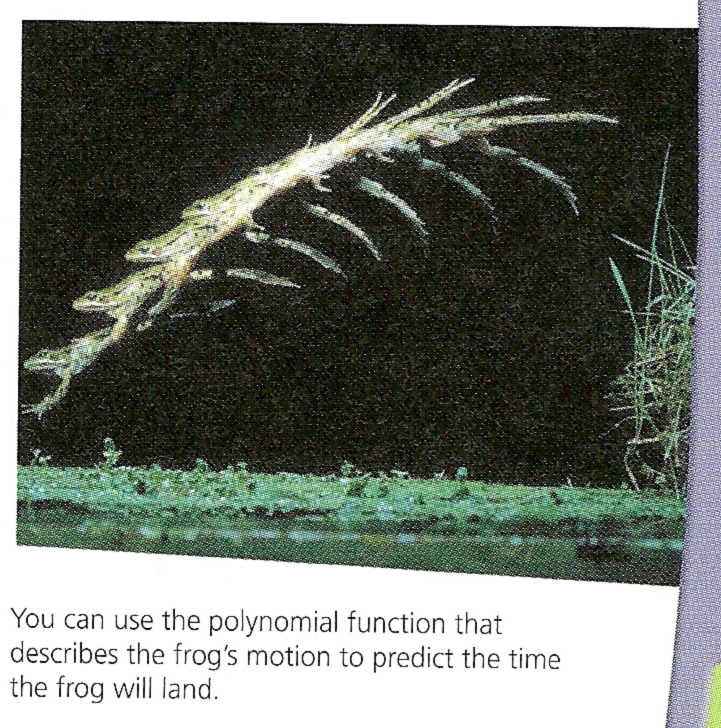
- There is a difference between showing a picture of the math of parabolas and provoking a question which can be answered using the math of parabolas.
-
“If you manage to endure maybe nine more years of math you dislike, life will reward you with a well-compensated job doing math you like.” That’s a tough sell for a twelve year-old. That’s over half her entire existence you’re asking her to bet on extremely speculative odds. (See also: “Doing the Math to Find the Good Jobs“; interviews with professionals in textbooks.)
-
When you see someone love something you find completely unloveable, it’s hard to relate to that person. It’s hard not to think they’re insane.
Venturing out farther on the creaky limb of engagement, here is some advice I give myself:
-
Don’t promise students they’ll enjoy the math they hate now in a career later. Let them experience math they enjoy now. PBS does this effectively with Get the Math. It features interviews with musicians, fashion designers, and video game engineers talking about how great math is, how much math they use, etc, but it also gives students something to do. It puts them in a position to experience that math now.
-
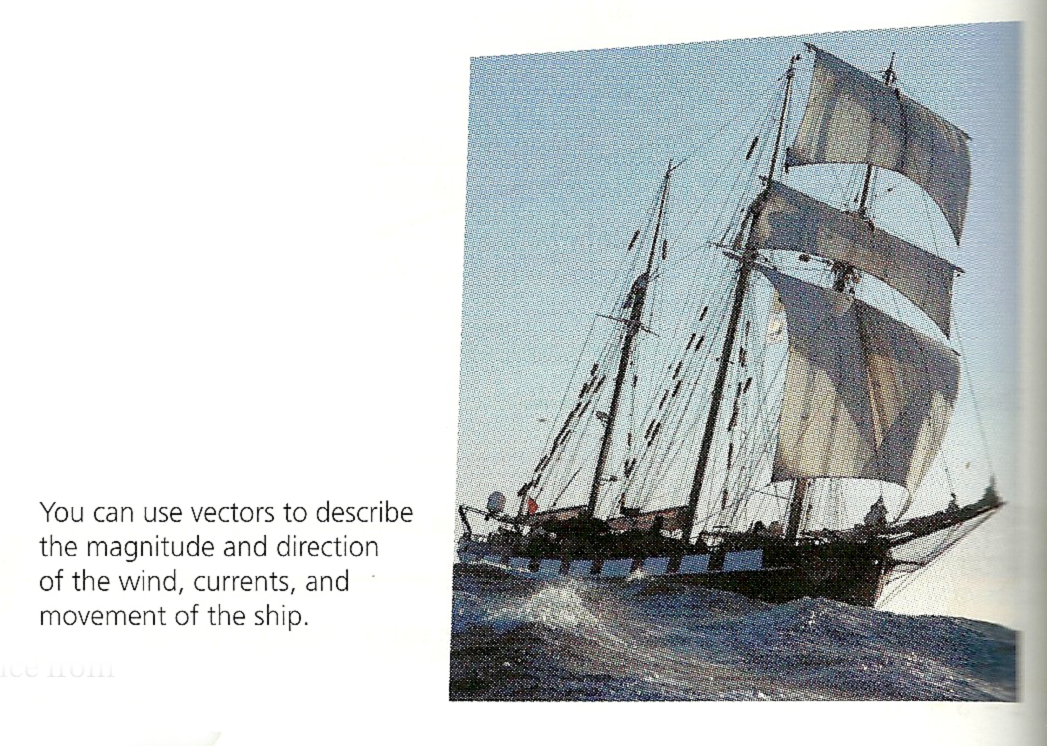
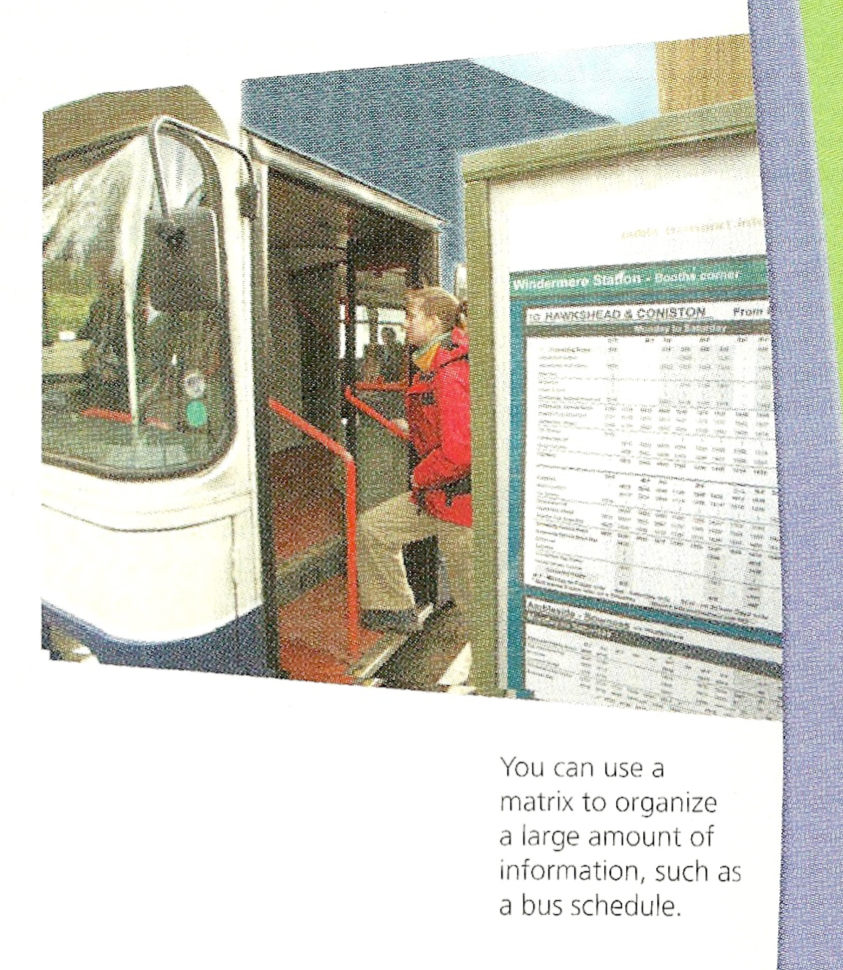
Show don’t tell. Instead of testifying to math’s power, show them math’s power. The CME Project features sidebars all throughout its textbooks with promises like:
If you’re going to brag about math’s power to do [x], let’s do [x].
(That’s setting aside the trickier issue of whether or not [x] interests students in the first place.)
-
An ounce of perplexity is worth a pound of engagement. Give me a student with a question in her head, one that math can help her answer, over a student who’s been engaged by a poster or a celebrity testimonial or the promise of a career. Engagement fades. Perplexity endures.
Perhaps it comes to this: rather than remembering your own tastes as a twelve-year-old, empathize with the tastes of a twelve-year-old who isn’t anything like you, one who has experienced only humiliation and failure in mathematics. What does math have to offer that student?
BTW: Here are three more PR projects. I like the odds on one of them way more than the other two.
2011 Oct 21. Great piece from Jason Buell on the extremely variable and personal definitions of “real world.”
2011 Nov 06. Jan Nordgreen links up a remark from Alfred North Whitehead in 1929:
Whatever interest attaches to your subject-matter must be evoked here and now; whatever powers you are strengthening in the pupil, must be exercised here and now; whatever possibilities of mental life your teaching should impart, must be exhibited here and now. That is the golden rule of education, and a very difficult rule to follow.
Featured Comment
Kathy Sierra:
But another approach – since you used the word “enjoy” – is to simply consider math as an opportunity for puzzle-solving in interesting ways. After all, there is virtually NOTHING “personally relevant” in many of the games and pursuits people find so compelling, like, for example, Sudoku. Even chess. Or Angry Birds. Whether math is useful/relevant RIGHT NOW is a worthy and challenging goal.