YouTube user cigotie attends my feeder middle school. In spite of his age and our rural setting, he has amassed a portfolio of digital special effects on par with people twice his age and half his distance to Hollywood.
He is an auto-didact, having taught himself with online tutorials (like Video Copilot, which is the best of the best) to use tools which others attend brick-and-mortar schools to learn. He publishes his videos on a YouTube channel to a global audience. One of my freshmen fully expects to see him on the shortlist for an Academy Award in 2015. Your poster digital immigrant, in other words.
I’m impressed. I’m worried.
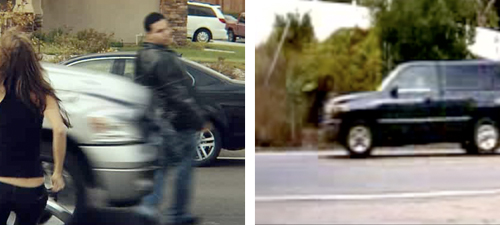
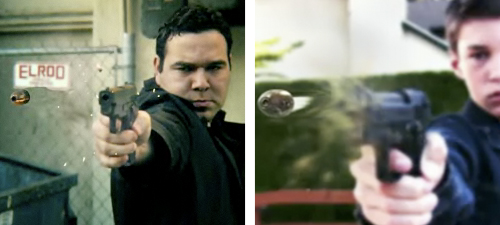
Here are a few comparisons between cigotie’s work and the Video Copilot tutorial, which, well, I guess “inspired” it is the right word.
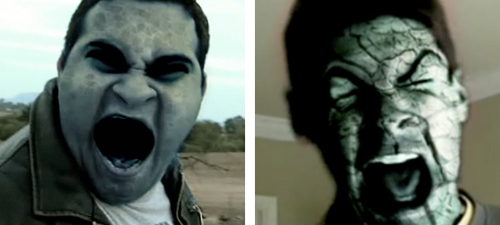
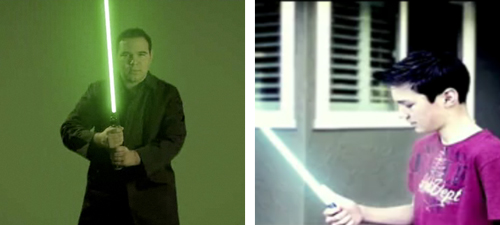
The vision of education that promotes digital nativism seems very effective to me at equipping the natives with tools and technique, with hammers, nails, screwdrivers, glue, and a birdhouse tutorial from which they can build an identical birdhouse. But if there is a plan for moving the natives past raw technique, for bridging the gulf between technique and art, I have yet to see it widely articulated.
It’s just too easy to plunder Delicious for tags like “digitalstorytelling,” “aftereffects,” or “tutorial” and pass them off to natives like cigotie. But this kid doesn’t need more links, more web apps, or more resource sites lousy with textures, tutorials, and embeddable 3D objects. He needs someone to help him tell his own stories. Someone to interpret his interests and direct him to fiction and nonfiction that will drive his thinking to the point where he can create and not simply mimic.
I worry. Probably needlessly, but I worry that we are building schools that put students in a place to care about artistic expression while only equipping them with technique.