Month: October 2010

Total 19 Posts

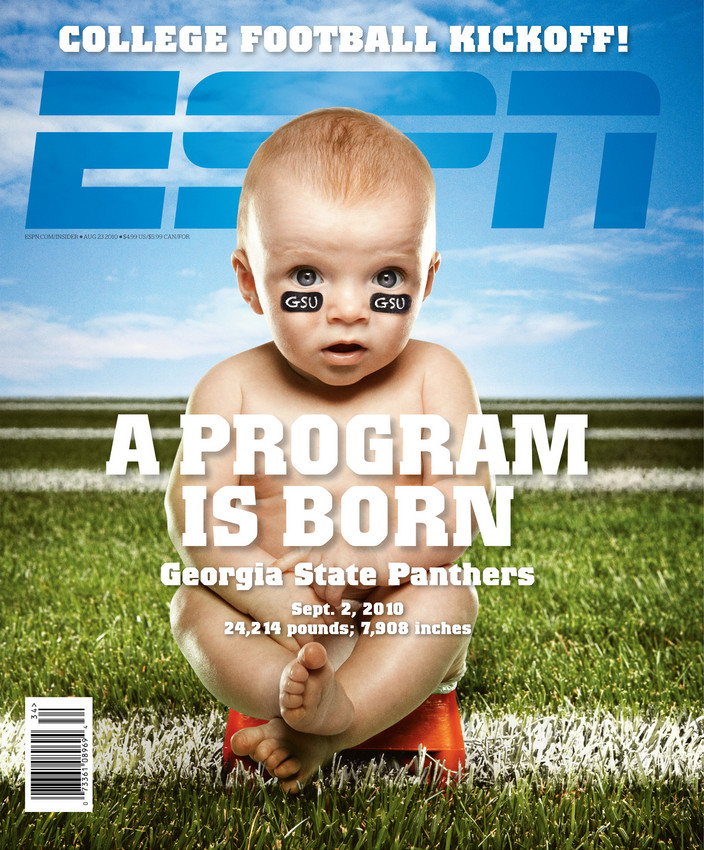
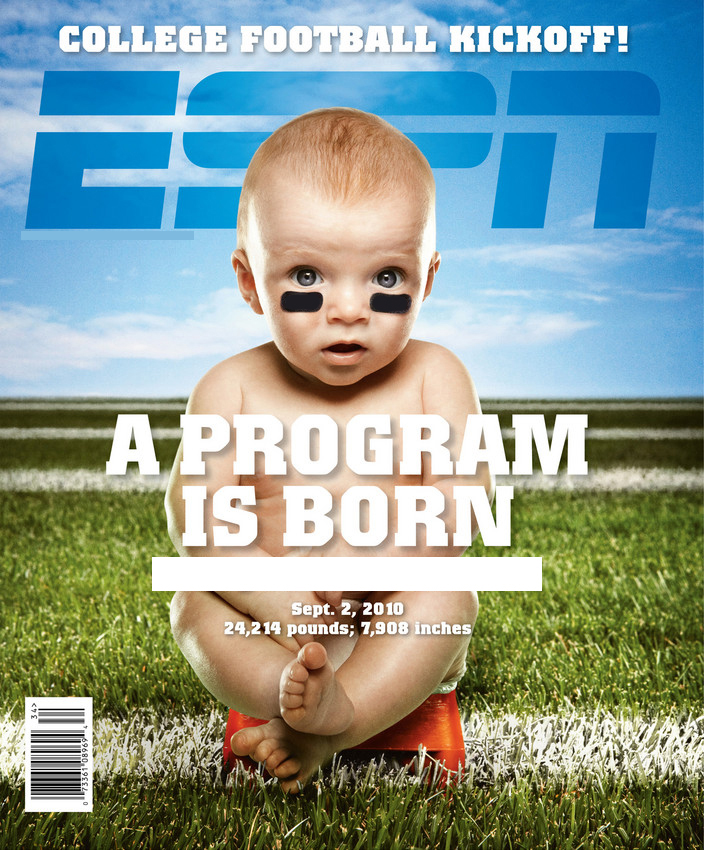
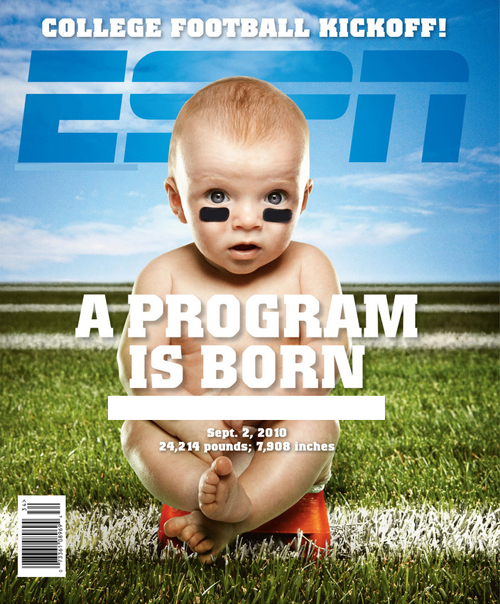
WCYDWT: Big Baby

via Joshua Sloat, who offers up what is (I believe) our site’s first WCYDWT for upper elementary math students.

1. What questions perplex you about this photo?

Almost nothing went well here, which is what makes this particular moment so valuable for me. The image didn’t urge the question I thought it did, especially when I couldn’t easily clarify its meaning.

Sam Critchlow: how many players on a football team, are football babies bigger?
Chris: How many babies?
Matt: What do the yards and pounds represent?
Peter: what is 24,414 pounds? what is 7908 inches?

The intended question was:

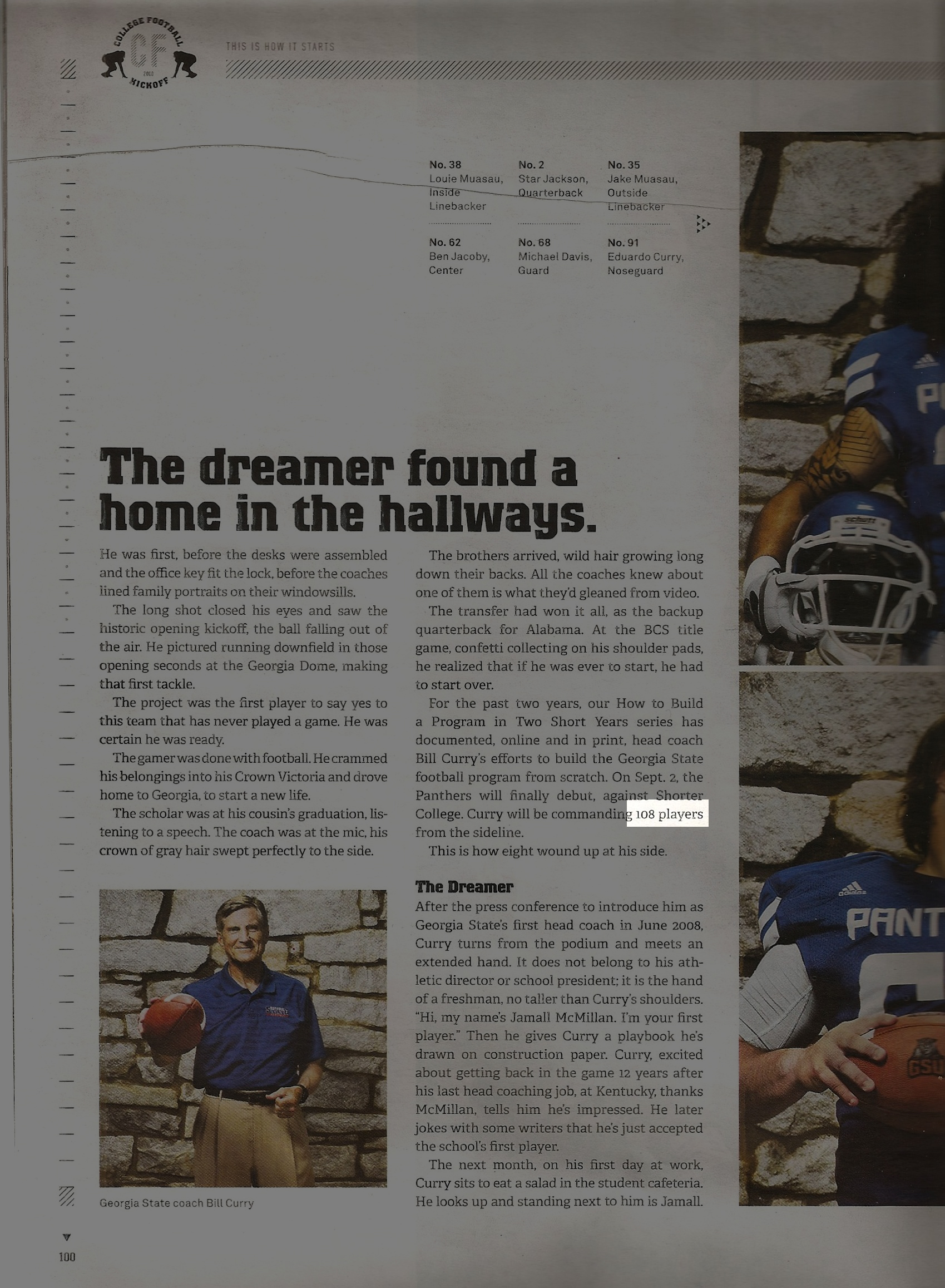
Jazo: how many players?

I have no problem, in these situations, just asking the intended question, but I remind myself to tune my WCYDWT antenna to scan for a better provocation than this one.

2. What is your guess? What is a number you know is too high / too low?
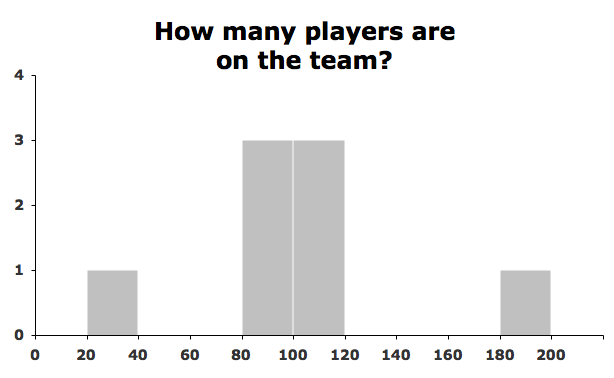
Technical innovation: Google Forms to submit a) the guess and b) the upper / lower bound.

However you handle this, you’d rather not have one student’s developing number sense stunted by another student’s guess. Seriously. When I do this in class, everyone tracks within a standard deviation or two from the first guess, no matter how insane that first guess is. When JB says “the Eiffel Tower is 7 miles tall,” the next guess from AJ is “5 miles.”

3. How can you use math to tell if you’re right or not?

Peter: to know if your guess is right, divide total pounds by your guess

4. Play around. Decide if your guess was too high or too low.

We divided the total pounds (24,214) by one guess of 200 players.

Jazo: 121 pounds? sounds like a weak team
schwartz: less people!

5. Show the answer.
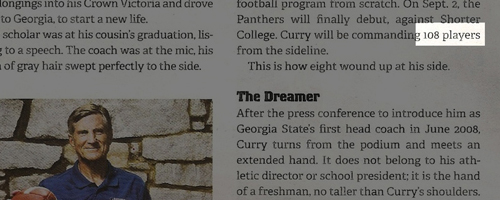
Download High Quality

The Cultural Implications Of Pseudocontext

Gail, blowing my mind:

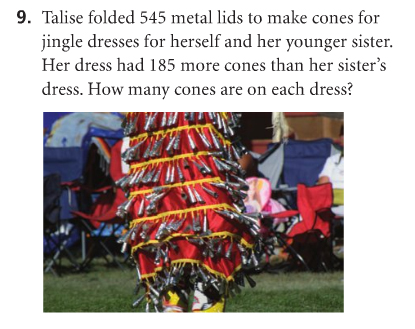
This is what textbooks publishers and teachers seem to think is an authentic way to address the struggles of First Nations students (and other ethnic groups) with mathematics. It is important that students be able to “see” themselves in the resources and in the classroom, but the assumption is that this picture, with the highly culturally-stripped question, is somehow worth a check mark in that column. There is great significance in the dance, the dress, and even what the jingles might be made of, yet none of that is mentioned. Instead, all that’s done with it is to make an excuse for doing some Western mathematics.

Tyler Rice, likewise:

A majority of my students are American Indian. Many of them do travel to pow-wows and participate — some dance jingle. I know them well enough to guess what their reaction to this would be. They are culturally savvy enough to see when someone is “culture dropping.” Believe me, I tried it a few times my first couple of years. Can you say lead balloon? My guess is that this would actually be more of a distraction for my students than anything. In fact, some might find it mildly offensive in that a textbook has taken something culturally significant and distilled it down to “who has more cones?”

Pseudocontext is always an unforced error. Math, itself, is always available for context.

[PS] Metal Lids

Foundations and Pre-Calculus – Mathematics 10, Pearson.

Pseudocontext

John Scammell [twitter, blog] via e-mail:

I suppose they think it is contextually brilliant because they supported it with a pretty picture. My two questions are, “Who cares?” and “Why don’t they just count if they care so much?”

Me:

Great problem. I wonder if “Who cares?” is a good lamp for guiding our curriculum design, though. There will always be students who don’t care, because engagement is relative. The part that strikes me about the problem is that you could replace “cones” with any random unit, or even gibberish, and it wouldn’t diminish the relative engagement of the problem one bit, from student to student, because there isn’t anything inherent to those cones that leads to that system of equations.

At this point, I have a lot of submissions I can’t (yet) post because I can’t personally prosecute the charge of pseudocontext. You need to convince me. I’m relying on you all to make the case for or against pseudocontext in your e-mails and in the comments. And definitely check out Ben Blum-Smith’s recent description of the term.

Transcription:

Talise folded 545 metal lids to make cones for jingle dresses for herself and her younger sister. Her dress had 185 more cones than her sister’s dress. How many cones are on each dress?

Assignment:

  1. Scan an example of pseudocontext.
  2. Email it to dan@mrmeyer.com
  3. List the textbook title, edition, and publisher.
  4. Give me your interpretation of the term “pseudocontext.”
  5. Let me know if you’d like credit (name, blog or twitter) or if you’d prefer anonymity.