Two anecdotes about curiosity, followed by a challenge:
1. Nana’s Lemon Water
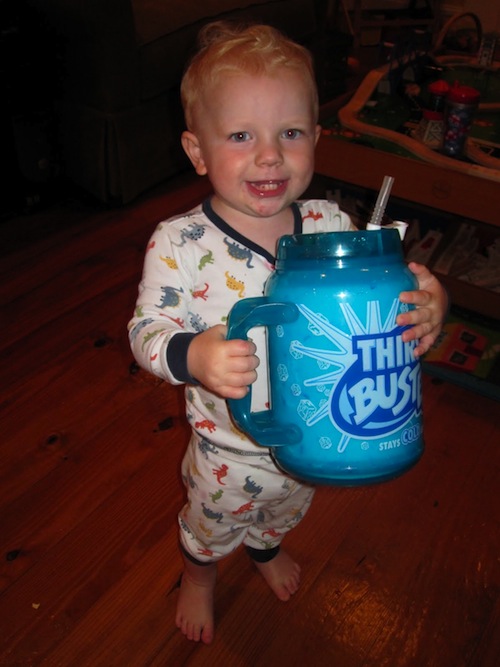
I facilitated a workshop in Atlanta a few weeks ago and a participant had one of these enormous Thirstbuster mugs. I asked, somewhat nervously, “Whatcha got in there?” She replied “water with lemon.”
I wondered, as I’m sure others might, “Well how much lemon would you need in that enormous thing to even taste it.”
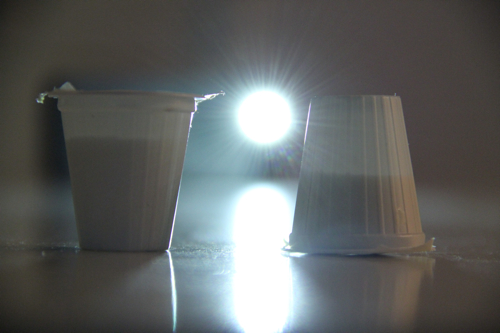
It’s natural for humans to have questions and seek to answer them. Once I heard her answer, though, an unnatural, teacherly act followed. I tried to recapture the question, something like mounting a butterfly in a shadow box or preserving a specimen in a jar, so that a student could experience it also.
That’s this video and the attached lesson.
2. Rotonda West
Another example. It takes very little curiosity to appreciate the gorgeous, curated satellite images from overv.eu, such as this image of a Florida housing development:
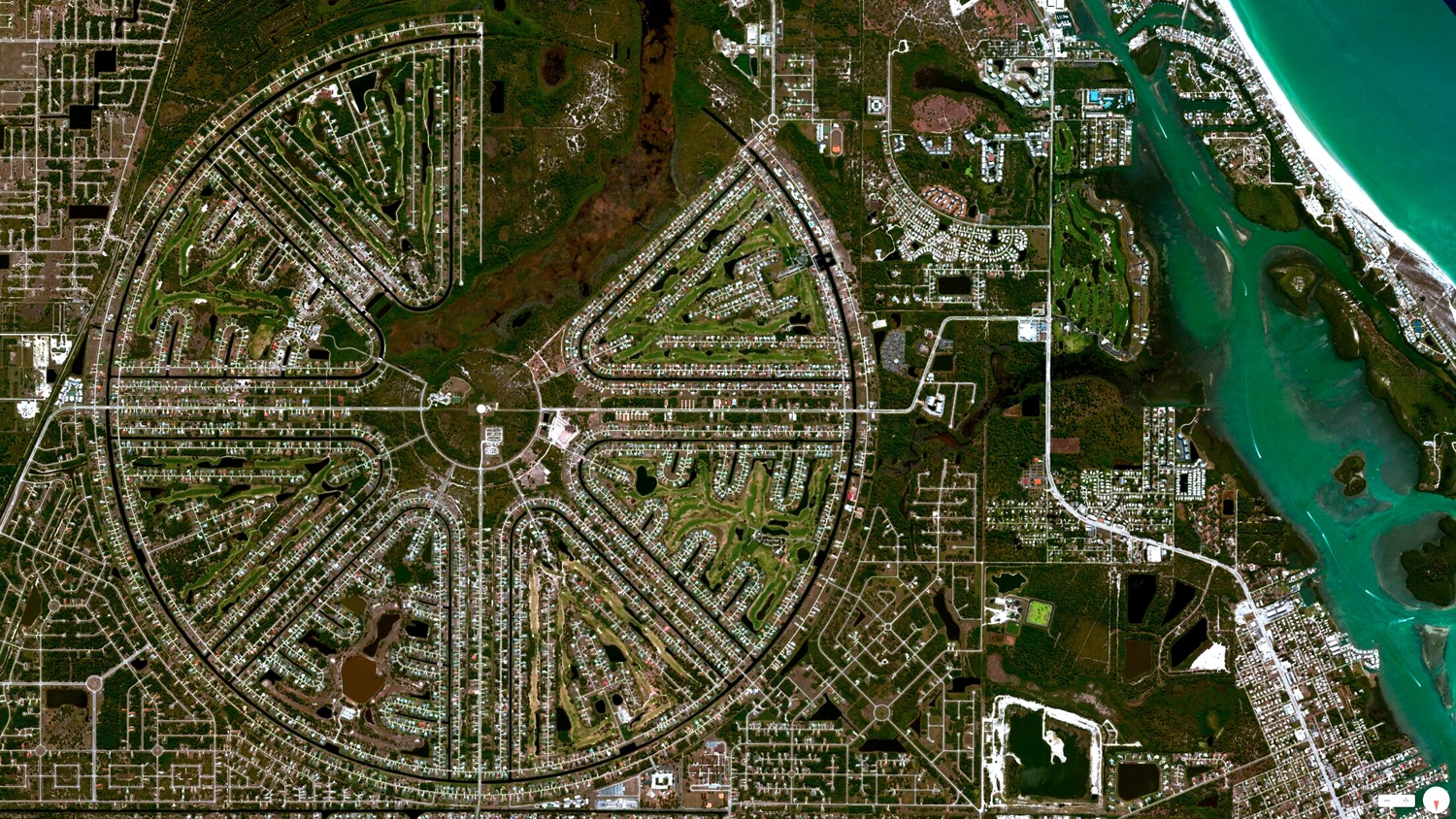
What’s trickier for me is to format that appreciation, that awe, into a question, to capture that question so I can share it with students.
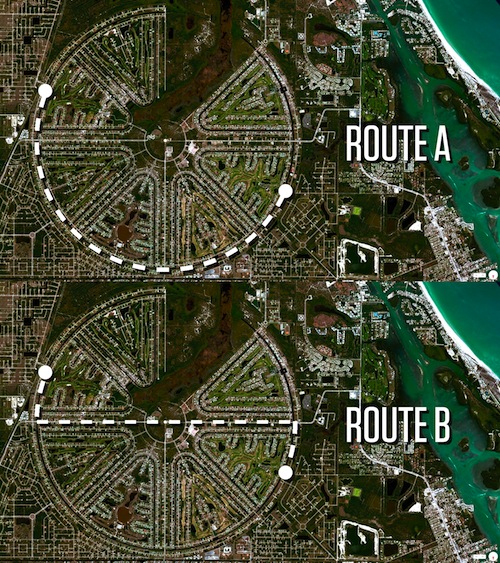
Making that image (and the answer) required a certain technological know-how, sure, but the really challenging part is training myself to probe interesting items for the curious questions they contain. It’s one of teaching’s unnatural acts and it requires practice and feedback.
3. Challenge
Curiosity is cultivated. Curious people grow more curious. These are examples of how I cultivate my own curiosity.
With that said, what curious questions can you find in this interesting story and video about the tallest water slide in the world? How can we capture that curiosity and make it accessible and productive for our students?
Previously: How Do You Turn Something Interesting Into Something Challenging