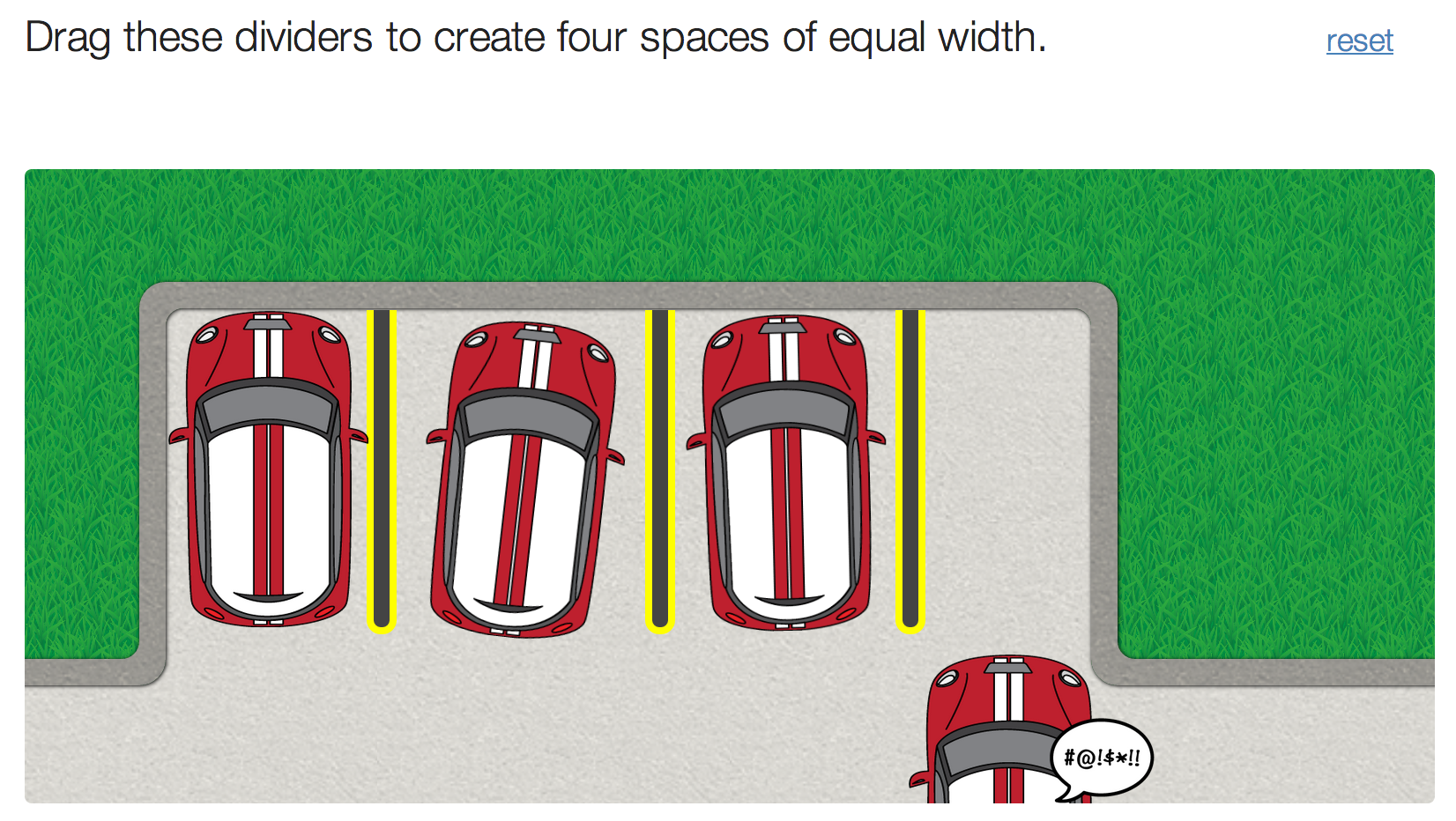
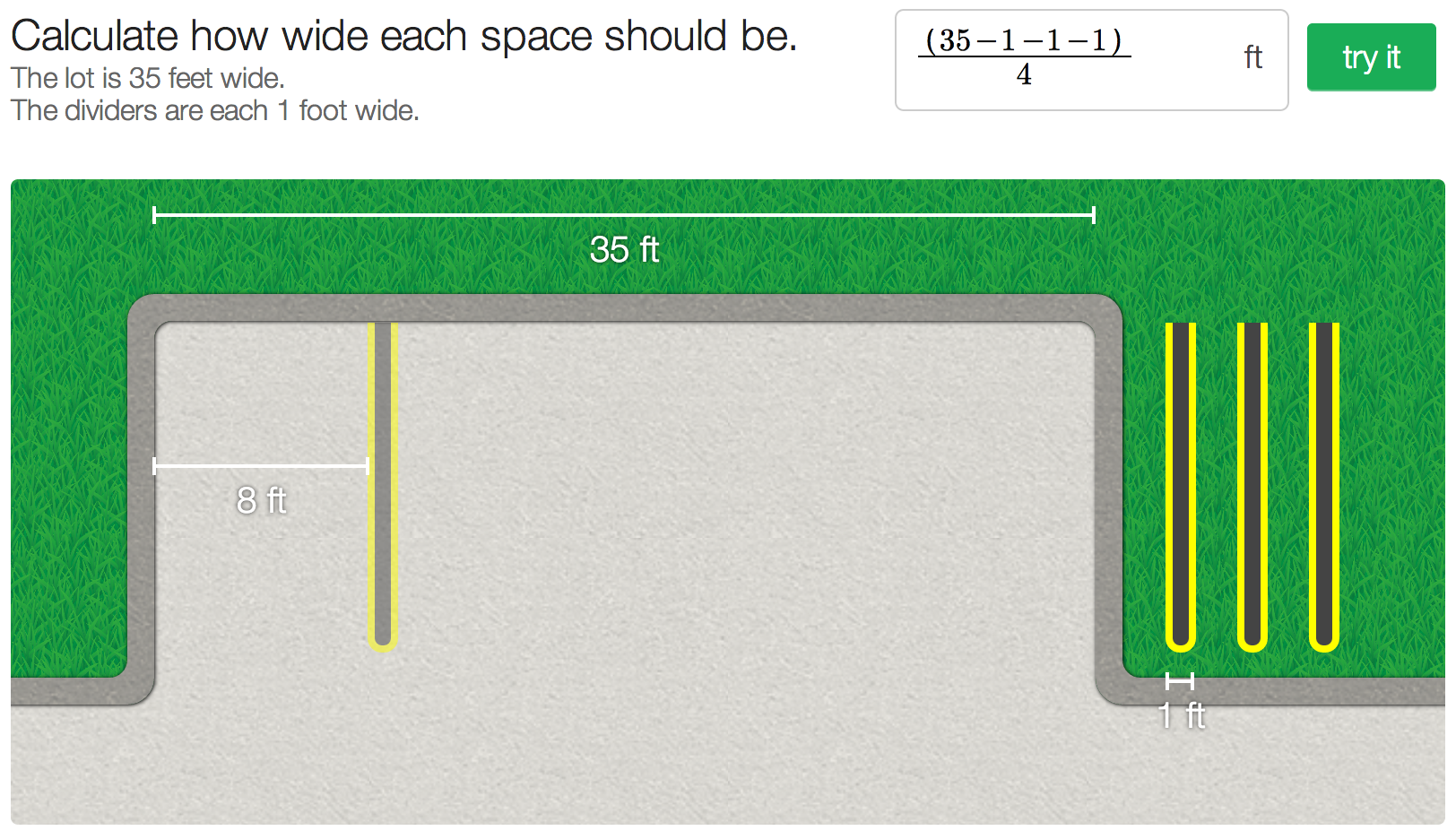
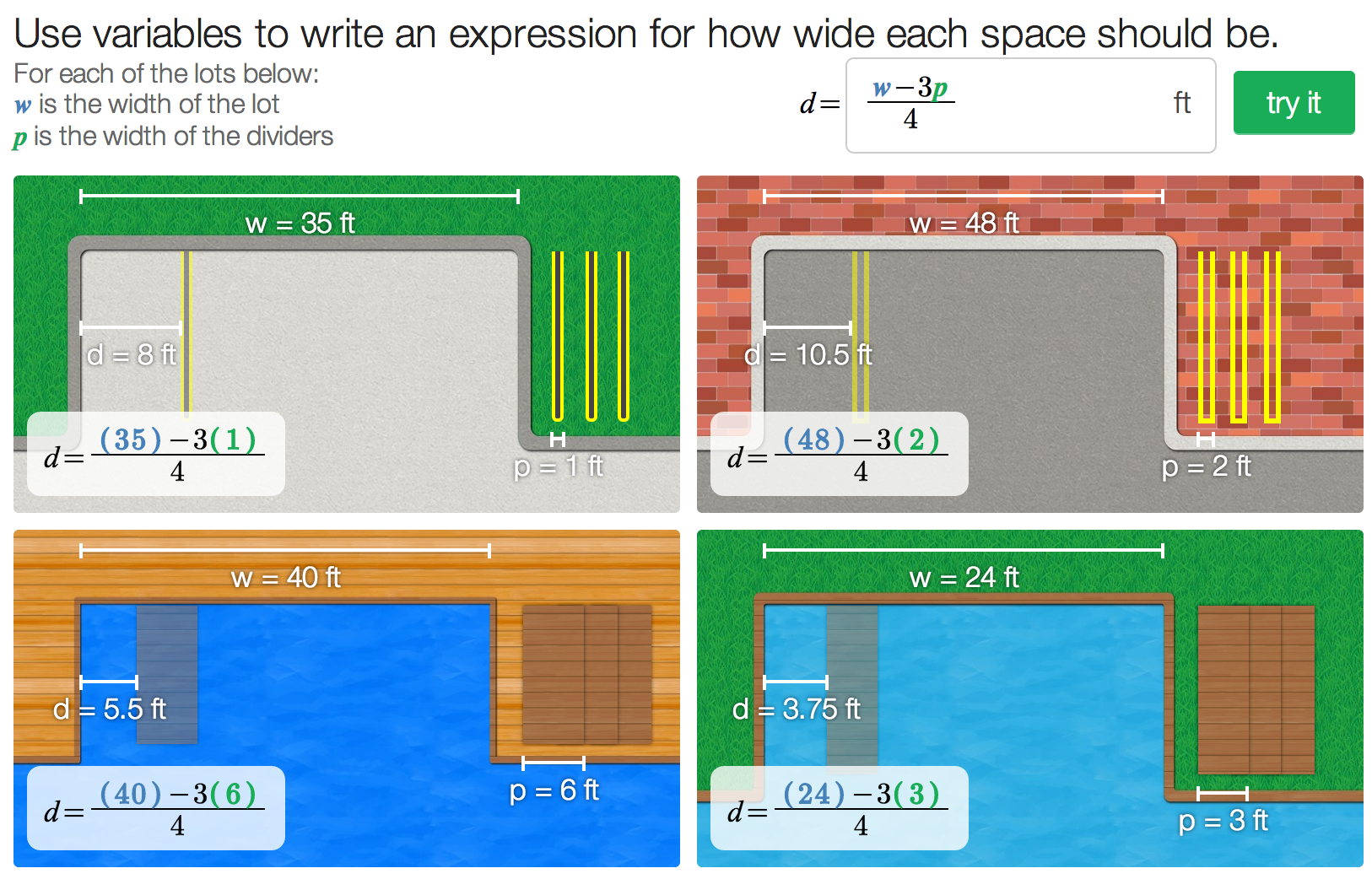
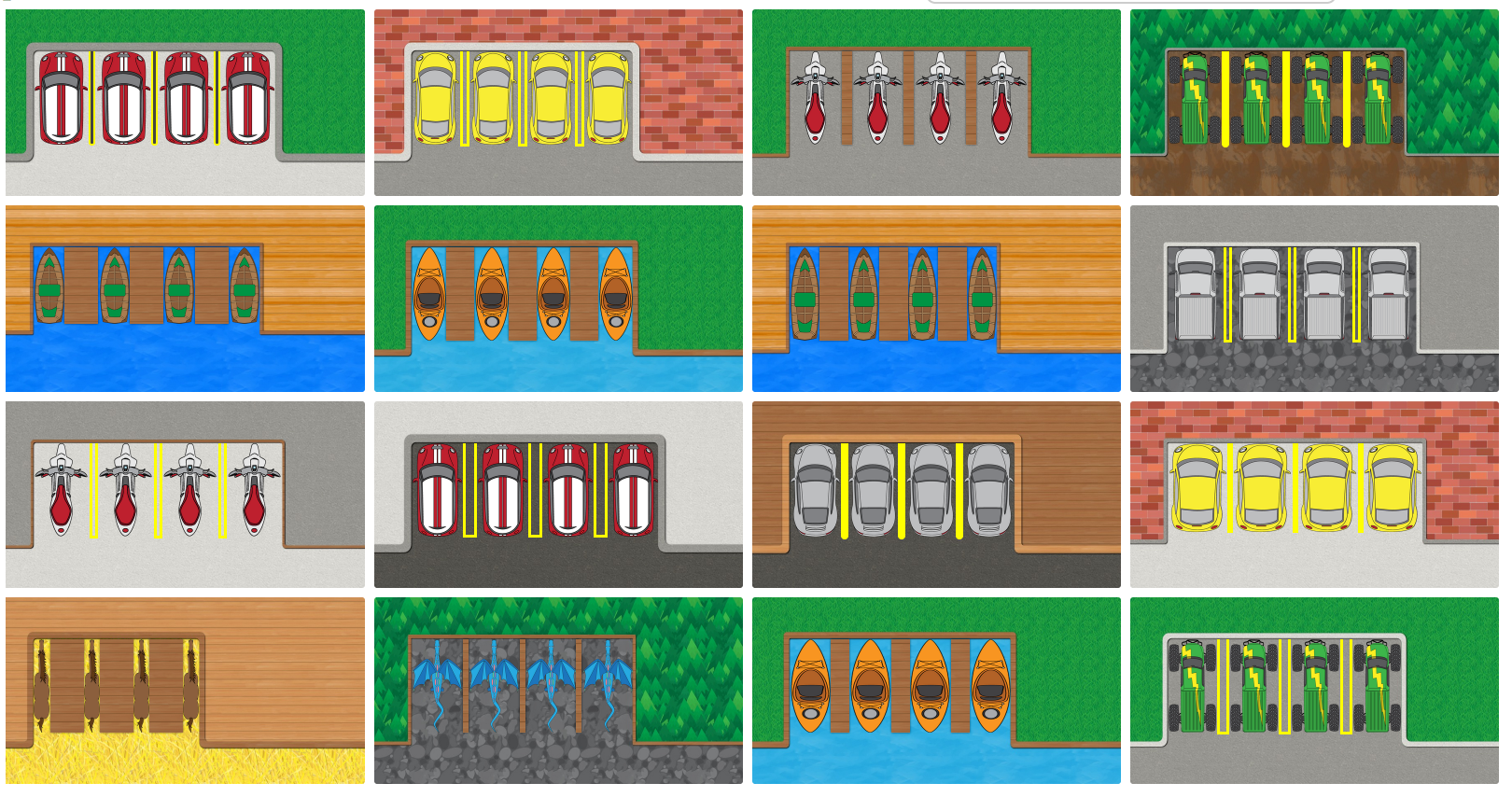
This is a series about “developing the question” in math class.
In his book Why Students Don’t Like School, Daniel Willingham writes:
One way to view schoolwork is as a series of answers. We want students to know Boyle’s law, or three causes of the U.S. Civil War, or why Poe’s raven kept saying, “Nevermore.” Sometimes I think that we, as teachers, are so eager to get to the answers that we do not devote sufficient time to developing the question. But as the information in this chapter indicates, it’s the question that piques people’s interest. Being told an answer doesn’t do anything for you.
Developing a question is distinct from posing a question. Lately, I try to assume that every question I pose is more precise, more abstract, more instrumental, and less relational than it had to be initially, that I could have done a better job developing that question. If I do a good job developing a question, my students and I take a little longer to reach it but we reach it with a greater ability to answer it and more interest in that answer.
Over the next few days, I’d like to offer an example of someone doing a good job developing the question and somebody else missing the mark. I’ll be the one who misses the mark with my Graphing Stories lesson. Math Curmudgeon will be the one who gets it right. After those entries, I’ll encourage us all to make a couple of resolutions for the future.
2014 Aug 13. Daniel Willingham weighs in:
@ddmeyer Devoting sig time to explicating why something matters to the field, and doings so in a way that gets student buy-in.
— Daniel Willingham (@DTWillingham) August 13, 2014
@ddmeyer Prob may be made interesting via practical app, everyday life examples, but developing=deeper interest by situating 2days problem..
— Daniel Willingham (@DTWillingham) August 13, 2014
@ddmeyer ….. relative to what else we’ve learned.
— Daniel Willingham (@DTWillingham) August 13, 2014
@ddmeyer Ideally, "developing" means getting s's to understand why it's important to know the answer & not just for an practical reason.
— Daniel Willingham (@DTWillingham) August 13, 2014